





What are tasting notes? They are the words you use to describe a wine: how it looks, smells, tastes and feels, and how long the flavor lasts. Body is the wine's weight on your tongue. Acidity is the mouth-watering edge. Tannin is the drying grip on your gums. Finish is how long the taste stays after you swallow.
To describe a wine, work in that order and use the plainest word that fits. The terms below sit in groups, by where you meet them: on the palate, in the aroma, on the label and when you serve.
How do you write a tasting note?
A tasting note follows four steps, one line each.
- Look. The color and its depth, such as pale straw, ruby or deep purple.
- Smell. The first aromas you notice: fruit, flowers, spice, oak or earth.
- Taste and feel. Dry or sweet, light or full, crisp or soft, smooth or grippy.
- Finish. How long the flavor lasts, and what stays behind.
Here is our tasting note for the 2021 Hospitality Pinot Noir. "Aromas of ripe strawberry and Bing cherry are complemented by a touch of cinnamon and a smooth, silky finish." Ours fits the aroma, a hint of spice and the finish into one sentence. To run a tasting step by step, see how to host a wine tasting at home.
What words describe how a wine feels?
- Body. How heavy the wine feels in your mouth, a bit like skim milk next to whole milk.
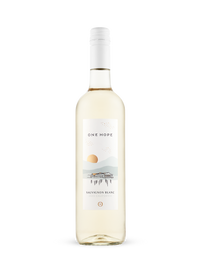
- Light-bodied. Lean and quick on the tongue. The 2023 Vintner Sauvignon Blanc has a light body, with lime, lemon and guava.
- Medium-bodied. In the middle. The 2023 Vintner Chardonnay is medium-bodied, with enough weight for a main course.
- Full-bodied. Broad, rich and mouth-filling. Many Cabernet Sauvignons and oaked Chardonnays sit here.
- Acidity. The natural tartness that makes your mouth water and the sides of your tongue tingle. It keeps wine fresh and cuts through rich food.
- Crisp. High acidity and a clean, lively feel.
- Tannin. The drying grip on your gums, from grape skins, seeds and oak. Our guide to what tannins are explains where it comes from.
- Dry. No taste of sweetness, because yeast turned almost all the grape sugar into alcohol. Fruity is not the same as sweet.
- Off-dry. A light touch of sweetness, usually balanced by acidity. Our dry vs sweet wine guide charts the whole scale.
- Round. Soft and smooth, with gentle acidity and no sharp edges.
- Silky. A smooth texture with fine, soft tannin, often said of Pinot Noir.
- Structure. The frame that acidity, tannin and alcohol give a wine. The 2022 Reserve Monterey Pinot Noir shows textured tannins on a dry, medium-bodied palate.
- Balance. No single part, whether acidity, tannin, sweetness or alcohol, takes over.
- Finish. How long the flavor lasts after you swallow. Count the seconds; length describes a wine rather than ranking it.
What words describe a wine's aroma and flavor?
Most aroma words fall into five groups. Here they are, with examples from the tasting notes of our own bottles.
| Group | Words you will hear | In our tasting notes |
|---|---|---|
| Fruit | Citrus, green apple, stone fruit, red berries, dark berries, tropical fruit | Lime, lemon, guava and star fruit in the 2023 Vintner Sauvignon Blanc |
| Floral | Orange blossom, rose, violet, honeysuckle (common in aromatic whites such as Riesling) | None among the five bottles quoted here |
| Spice | Cinnamon, clove, black pepper, licorice | Cinnamon in the 2021 Hospitality Pinot Noir; sassafras in the 2022 Reserve Monterey Pinot Noir |
| Oak and baking | Vanilla, toast, toffee, coconut, smoke | Vanilla in the 2023 Vintner Chardonnay; toffee and vanilla in the 2023 Vintner Cabernet Sauvignon |
| Earth and savory | Mushroom, forest floor, leather, umami | Umami in the 2022 Reserve Monterey Pinot Noir |
These are aromas: a vanilla note says how a wine smells, not how the winemaker made it.
- Fruit-forward. Fruit is the first thing you smell and taste, which is not the same as sweet.
- Jammy. Ripe, almost cooked fruit, like berry jam. Common in warm-climate reds, which are usually still dry.
- Earthy. Aromas of soil, mushroom or forest floor, often found in Pinot Noir.
- Herbaceous. Green notes such as cut grass, bell pepper or fresh herbs, common in Sauvignon Blanc.
- Oaky. Strong vanilla, toast or smoke from time in oak barrels.
- Buttery. A rich, butter-like aroma and creamy feel, often from malolactic conversion. Our Chardonnay guide explains buttery styles.
- Minerally. A stony, flinty or salty impression, mostly in crisp whites. Tasters still debate its cause.
What do words on the label and from the cellar mean?
- Varietal. A wine named for its main grape, such as Chardonnay. The grape is the variety; the wine is the varietal.
- Blend. A wine made from two or more grapes, combined for balance. Our red blend guide shows how winemakers build one.
- Vintage. The year the grapes came off the vine. The 2023 in 2023 Vintner Sauvignon Blanc is its vintage.
- Non-vintage. A blend of wines from more than one year, often marked NV. It is common in sparkling wine.
- Appellation. The named place where the grapes grew, such as a state, county or valley. It tells you where, not how good.
- Terroir. A French word for everything a site gives a wine: soil, climate, slope and sun.
- Residual sugar. Grape sugar left after yeast has turned the rest into alcohol. More of it makes a sweeter wine.
- Oaked and unoaked. Oaked wine spends time in oak barrels, picking up vanilla, toast and some tannin. Unoaked wine stays in steel or neutral vessels, so the fruit stays bright. For how red and white wine are made, see red wine vs white wine.
- Malolactic conversion (often called malolactic fermentation). After fermentation, bacteria turn sharp malic acid, the tartness of green apples, into softer lactic acid. The wine feels rounder and can smell of butter.
- Lees. Spent yeast that settles after fermentation. Resting a wine on its lees adds texture and bready, nutty notes.
- Brut. A dry sparkling wine. Oddly, extra dry is a little sweeter than brut; our guide to reading a sparkling wine label explains the scale.
- Rosé. Pink wine, most often made from red grapes with brief skin contact. See what rosé wine is.
- Fortified. Wine with grape spirit added, often a sweet dessert wine. Our dessert wine guide covers the styles.
What words come up when you serve wine?
- Breathe. Giving an opened wine contact with air, so aromas open up and firm tannins soften.
- Decant. Pouring wine into a decanter or jug, to give a young red air or leave sediment behind.
- Sediment. Solids that settle naturally in older reds and some unfiltered wines.
- Legs. Streaks that run down the glass after a swirl. They follow alcohol and sugar, not quality.
- Corked. A fault from a tainted cork that makes wine smell musty, like wet cardboard. Bits of cork floating in the glass do not mean the wine is corked.
- Room temperature. For red wine, a little cooler than a warm living room, which is why most reds taste best slightly cool. Our serving temperature guide gives the numbers.
Which guides go deeper?
New to wine? Start with wine for beginners. For grapes from light to bold, see our guides to the types of red wine and the types of white wine. ONEHOPE wine gives back; read how we give back.
Frequently asked questions
What are tasting notes in wine?
Tasting notes describe how a wine looks, smells, tastes and feels, and how long its flavor lasts. They name aromas such as cherry and textures such as silky.
What does full-bodied mean?
A full-bodied wine feels broad and heavy in the mouth, the way whole milk feels next to skim. Many Cabernet Sauvignons and oaked Chardonnays are full-bodied.
What does it mean when a wine is corked?
A corked wine has a fault from a tainted cork that makes it smell musty, like wet cardboard. Bits of cork floating in the glass are not the same thing.
What is terroir?
Terroir is everything a vineyard site gives a wine: its soil, climate, slope and sun. It is why the same grape can taste different in two places.
What does vintage mean on a wine label?
The vintage is the year of the grape harvest. A bottle with no year is non-vintage, a blend of wines from more than one harvest.
What are wine legs?
Legs are the streaks that run down the inside of a glass after you swirl it. Slower, thicker legs point to more alcohol or sugar, not to a better wine.
What is a varietal wine?
A varietal wine takes its name from its main grape, such as Pinot Noir or Sauvignon Blanc. A wine built from several grapes is a blend.

