





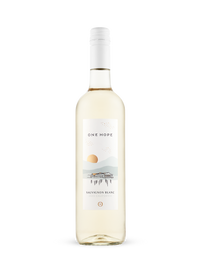
What does dry mean in wine? A dry wine tastes of little or no sweetness, because yeast turned almost all the grape sugar into alcohol. Sweet wines keep some. Fruity is not the same as sweet: a dry wine can smell of ripe fruit. Most reds, crisp whites and brut sparkling wines are dry. Moscato and dessert wines are sweet.
How does a wine end up dry or sweet?
Every wine starts as sweet grape juice. During fermentation, yeast feeds on the grape sugar and turns it into alcohol and carbon dioxide.
If the yeast finishes the job, the wine tastes dry. If fermentation stops early, some sweetness stays in the wine. Winemakers can stop it by chilling the wine or by removing the yeast. For fortified dessert wines, they add grape spirit partway through.
Dry describes taste, not quality. A dry wine is not harsh or sour, and a sweet wine is not a lesser one. They simply suit different tastes and dishes.
What do dry, off-dry, semi-sweet and sweet mean?
Think of sweetness as a scale with four broad steps. Our glossary of wine terms covers many more tasting words.
- Dry. No sweetness you can taste. The finish is clean, and fruit flavors read as fruit, not sweetness.
- Off-dry. A light touch of sweetness, usually balanced by fresh acidity. Many Rieslings and Gewürztraminers sit here.
- Semi-sweet. Sweetness you notice straight away, but it is not heavy. Many Moscatos sit here or just above.
- Sweet. Clearly sweet, often with a rounder, fuller feel. Dessert wines and most fortified wines sit here.
On a still wine, these words describe how the wine tastes. Sparkling wine labels use their own terms, so our guide to reading a sparkling wine label explains them.
Wine sweetness chart: where do common wines sit?
This chart runs from dry to sweet. Each style can vary with the grape, the place and the winemaker, so read the bottle's tasting notes too.
| Style | Where it usually sits | How it tastes | ONEHOPE example |
|---|---|---|---|
| Crisp whites: Sauvignon Blanc, Pinot Grigio | Dry | Citrus, green fruit, bright acidity | 2023 Vintner Sauvignon Blanc; 2023 Vintner Pinot Grigio |
| Fuller whites: Chardonnay, Viognier | Dry | Riper fruit and a rounder body; vanilla if oaked | See types of white wine |
| Lighter reds: Pinot Noir | Dry | Red fruit, soft tannin, silky texture | See types of red wine |
| Bold reds: Cabernet Sauvignon | Dry | Dark fruit, firm tannin, often oak spice | 2024 Reserve Paso Robles Cabernet Sauvignon |
| Brut sparkling wine | Dry | Crisp, fresh, lively bubbles | Vintner Sparkling Brut |
| Rosé | Dry to sweet; many are dry | Red berries and fresh acidity | See what rosé is and how to tell |
| Aromatic whites: Riesling, Chenin Blanc, Gewürztraminer | Dry to sweet; often off-dry | Flowers, stone fruit, citrus | Not in our range today |
| Moscato, still and sparkling | Semi-sweet to sweet | Orange blossom, peach, citrus | 2021 Vintner Moscato; Sparkling Moscato |
| Fortified dessert wine | Sweet | Rich, with dried and dark fruit | Reserve Dessert Wine |
For more on body and flavor, see our guides to types of white wine and types of red wine.
Why can a dry wine taste sweet?
Three things often fool the palate into reading sweetness.
- Ripe fruit aromas. Smells such as peach, strawberry or guava suggest sweetness before you sip. The 2023 Vintner Sauvignon Blanc shows guava and star fruit, with a crisp, tangy character.
- Oak and sweet-spice notes. Barrels add vanilla, toast and baking spice, notes we link with dessert. Toffee and vanilla notes can read this way too.
- Low acidity. A soft, round wine feels sweeter than a crisp one. High acidity works the other way, keeping even a sweet wine fresh.
Tannin is a separate matter. Its drying grip makes a red feel drier, but that is texture, not a lack of sweetness.
Which white and red wines are the driest?
Whites. The driest-tasting whites are crisp, high in acidity and unoaked. Look for Sauvignon Blanc, Pinot Grigio, Albariño and dry Riesling. Our 2023 Vintner Pinot Grigio has high acidity and a light body, with ripe stone fruit and a citrus zest finish. It suits crisp salads and seafood.
Reds. Nearly all red wines are dry. The ones that feel driest pair firm tannin with fresh acidity, such as Cabernet Sauvignon, Nebbiolo and Sangiovese. The 2024 Reserve Paso Robles Cabernet Sauvignon is bold and densely structured, with dried herbs, vanilla and chocolate. Ripe, jammy reds such as Zinfandel can seem sweeter, though most are dry.
Sparkling. Brut is the dry choice. Vintner Sparkling Brut brings pineapple, citrus and crisp green apple, then a rich, creamy finish. Try it with fish and chips.
Is Moscato sweet?
Usually, yes. Moscato is an aromatic grape with floral and orange-blossom notes, and most Moscato tastes sweet. Fresh acidity keeps it lively rather than heavy.
Our 2021 Vintner Moscato is a still wine: bright, aromatic and sweet, with nectarine, orange blossom and citrus zest. Pour it with dried apricots, Marcona almonds or aged Gouda.
Our Sparkling Moscato adds bubbles. Citrus blossom and juicy white peach meet a delicate sweetness, then tangy mandarin and a balanced finish. For the sweetness terms on other sparkling bottles, see how to read a sparkling wine label.
How can you tell if a wine is sweet before you open it?
- Read the label. Words such as off-dry, semi-sweet, late harvest or dessert wine signal sweetness. On sparkling wine, brut means dry.
- Know the grape. Sauvignon Blanc, Pinot Grigio, Chardonnay, Pinot Noir and Cabernet Sauvignon are usually dry. Moscato is usually sweet. Riesling and Chenin Blanc can go either way.
- Check the style. Dessert wines and most fortified wines are sweet, and they often come in smaller bottles.
- Read the tasting notes. Crisp, zesty and structured point to dry. Honeyed, syrupy or the word sweet point to sweet. Fruit words alone tell you little.
How do you match wine sweetness to food?
Dessert. Choose a wine at least as sweet as the dish, or the wine will taste thin and sour. Our Reserve Dessert Wine brings toffee, florals, dark plum and sweet cherry; pour it with rich cheesecake or dark chocolate truffles. See our wine and chocolate pairing guide.
Spicy food. A touch of sweetness tames heat, while firm tannin and high alcohol make it feel hotter. Sparkling Moscato pairs well with hot wings or a spicy tuna roll.
For every other dish, see our food and wine pairing chart. For bubbles from brut to Moscato, read our sparkling wine guide. ONEHOPE wine gives back.
Frequently asked questions
What does dry mean in wine?
Dry means the wine tastes of little or no sweetness. Yeast turned almost all the grape sugar into alcohol during fermentation. A dry wine can still smell fruity.
Is Chardonnay sweet?
No, Chardonnay is almost always dry, though ripe fruit and oak vanilla can make it seem soft; our Chardonnay guide explains why.
What is the driest white wine?
Crisp, unoaked, high-acid whites taste driest. Sauvignon Blanc, Pinot Grigio, Albariño and dry Riesling are good places to start.
What does off-dry mean?
Off-dry means a light touch of sweetness, usually balanced by fresh acidity. Many Rieslings and Gewürztraminers taste this way.
What is a semi-sweet wine?
A semi-sweet wine has sweetness you notice straight away, without a heavy feel. Many Moscatos, sweeter Rieslings and some rosés sit here. Our Sparkling Moscato, with its delicate sweetness, is an easy place to start.
Is Moscato sweet?
Usually, yes. Moscato is aromatic, with orange blossom and peach, and most bottles taste sweet. Our 2021 Vintner Moscato and Sparkling Moscato are both sweet styles.
Is brut sparkling wine dry?
Yes, brut is dry; our guide to reading a sparkling wine label explains the other terms.

