





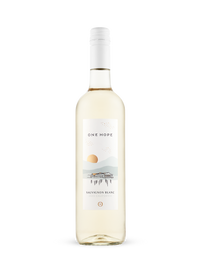
What is dessert wine? It is wine with noticeable sweetness, served with dessert or as dessert. Winemakers keep the grapes' sweetness in a few ways. They stop fermentation early, often by adding grape spirits, which makes a fortified wine. Or they pick late, or concentrate the grapes by drying or freezing them. Sweet sparkling wines and Moscato sit at the lighter end. Serve dessert wine in small glasses, slightly cool or well chilled depending on the style. Pair it with a dessert no sweeter than the wine, or with blue cheese.
How is dessert wine made?
Every wine starts as sweet grape juice. During fermentation, yeast turns the grapes' natural sweetness into alcohol. A dry wine ferments until almost none of that sweetness is left. A dessert wine keeps some of it, in one of these ways.
- Fortified. The winemaker adds grape spirits partway through fermentation. The yeast stops working, and the wine keeps some of the grapes' sweetness. The result is sweeter and fuller-bodied than a table wine.
- Late harvest. The grapes stay on the vine after the main harvest. They ripen further and lose some water, so the juice is richer and sweeter.
- Noble rot. In the right weather, a helpful mold called botrytis shrivels ripe grapes. It concentrates their sweetness and adds notes often described as honey and dried apricot.
- Frozen grapes. For ice wine, the grapes freeze on the vine, and the winemaker presses them while still frozen. The water stays behind as ice, and only the concentrated juice runs out.
- Dried grapes. Picked grapes rest on mats or racks for weeks, shrinking toward raisins before pressing.
- Sweet sparkling. These wines stop fermenting early or get a sweeter top-up before the final cork goes in. The label term tells you how sweet; see how to read a sparkling wine label. For the full range, from bone dry to sweet, see our sparkling wine guide.
Most red wines are dry, so fortified dessert wines sit apart at the sweet end of our guide to types of red wine.
What are the main types of dessert wine?
| Style | How it tastes | ONEHOPE bottle |
|---|---|---|
| Fortified | Rich and full-bodied, often with dark fruit, caramel or toffee notes | Reserve Dessert Wine: toffee, tobacco, florals, dark plum and sweet cherry. 375 ml, 18% ABV, non-vintage |
| Sweet sparkling | Light and bubbly, with gentle sweetness | Sparkling Almond: a flavored sparkling wine; toasted almond, delicately sweet finish. Sparkling Moscato: citrus blossom, white peach, tangy mandarin |
| Still Moscato | Bright, floral and fruity | 2021 Vintner Moscato: orange blossom, citrus zest, candied lemon, juicy nectarine |
| Late harvest, noble rot, ice wine, dried grape | Honeyed and rich, often with apricot, citrus peel or dried fruit | — |
Our Reserve Dessert Wine is fortified with grape spirits. Toffee and dark plum lead, with sweet cherry, florals and a note of tobacco.
The two sparkling wines are lighter. Sparkling Almond, a flavored sparkling wine, is bubbly and aromatic, with a delicately sweet, lingering finish. Sparkling Moscato pairs juicy white peach with a delicate sweetness and playful bubbles.
What does non-vintage mean?
Most wine labels show a vintage, the year the grapes were picked. A non-vintage wine, marked NV, carries no year. A non-vintage wine is usually blended from more than one harvest, which helps keep its style steady from one release to the next. Reserve Dessert Wine is non-vintage.
How should you serve dessert wine?
- Temperature. Serve a fortified dessert wine slightly cool, at 55 to 60°F (13 to 16°C). Too cold hides its aromas; too warm makes the sweetness feel heavy. Serve sweet sparkling wine and Moscato well chilled. Our wine serving temperature guide covers every style.
- Glass. A small dessert wine glass gathers the aromas and suits slow sipping. A white wine glass works too.
- Timing. Pour it with the dessert course, or in place of dessert alongside a cheese plate.
- Once open. A fortified wine keeps longer than a table wine. Recork it and keep it in the fridge. Sparkling wine keeps one to three days with a stopper, and still Moscato three to five days, recorked. See how long wine lasts after opening.
What goes with dessert wine?
Start with one rule: the wine should taste at least as sweet as the dessert. If the dessert is sweeter, the wine can taste thin and sour. Our wine and chocolate pairing guide shows the rule at work.
Then match intensity. Dark, rich desserts such as chocolate, caramel and nut pies take a darker, fuller wine. Light, fruit-led desserts and vanilla custards take a lighter, fresher one.
| Dessert | Wine | Why it works |
|---|---|---|
| Rich cheesecake | Reserve Dessert Wine | Toffee and sweet cherry meet the creamy richness |
| Dark chocolate truffles | Reserve Dessert Wine | Sweetness and body stand up to intense cocoa |
| Pecan and pumpkin pie | Reserve Dessert Wine | Toffee echoes caramel, toasted nuts and warm spice |
| Tiramisu, pastries, toasted coconut dessert | Sparkling Almond | Toasted almond meets coffee and cream; bubbles lift the richness |
| Peach cobbler, vanilla custard | Sparkling Moscato | White peach follows the fruit; gentle sweetness suits vanilla |
| Fruit tarts, peach galette | 2021 Vintner Moscato | Nectarine and orange blossom suit stone fruit |
| Blue cheese | Reserve Dessert Wine | Sweetness balances salt and tang |
For pies, see the pie pairings in our Thanksgiving wine pairing guide. For a summer fruit dessert, try our blackberry peach galette recipe with 2021 Vintner Moscato. For holiday cookies, see our wine and cookie pairing guide.
How do you add a dessert wine course to a holiday dinner?
Instead of a second dessert, set out a small cheese plate after the main course. Choose a blue cheese, an aged Gouda, dried apricots, honeycomb and a few almonds.
Pour Reserve Dessert Wine beside the blue cheese, where its sweetness meets the salt. Pour 2021 Vintner Moscato with the Gouda and apricots; its candied lemon and nectarine suit both. Set out small glasses and let guests move between the two.
For the rest of the menu, see our Christmas dinner wine pairings. To build the board, follow our wine and cheese pairing guide.
Find Reserve Dessert Wine in our red wine collection and the sweet bubbles in our sparkling wine collection. 2021 Vintner Moscato sits in our white wine collection. ONEHOPE wine gives back.
Frequently asked questions
Is dessert wine the same as fortified wine?
No. Fortified wine is one kind of dessert wine, made by adding grape spirits. Other dessert wines get their sweetness from late-harvest, noble-rot, frozen or dried grapes. Some fortified wines are dry, too.
Should dessert wine be chilled?
Yes, to a degree. Serve a fortified dessert wine such as Reserve Dessert Wine slightly cool, at 55 to 60°F. Serve sweet sparkling wine and Moscato well chilled, at 40 to 50°F.
How long does dessert wine last after opening?
A fortified dessert wine keeps longer than other wines once open, because its grape spirits and sweetness help it resist air. Recork it and keep it in the fridge. Sweet sparkling wine lasts one to three days with a stopper.
What cheese goes with dessert wine?
Blue cheese is the classic match, since sweetness balances its salt. Reserve Dessert Wine suits it. For Moscato, try aged Gouda with dried apricots and honeycomb.
Is Moscato a dessert wine?
Often, yes. Moscato is a grape from the Muscat family, and most Moscato wines taste sweet, light and floral. They are not fortified. Sparkling Moscato and 2021 Vintner Moscato both suit fruit desserts.

