





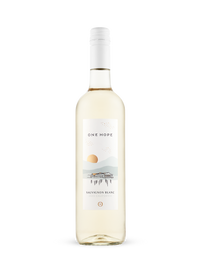
To host a wine tasting at home, pick a theme and four to six wines. Pour small tastes from lightest to boldest: sparkling first, then whites, then reds, with anything sweet last. Set out water, plain crackers, simple food and a notes sheet. Then look, swirl, smell and sip each wine together, and talk about what you notice.
Five Steps to a Home Tasting
A home tasting is a slow, guided look at a few wines side by side. You do not need to be an expert. You need a plan, a sensible order and a few good questions.
- Choose a theme. A theme gives the evening a thread to follow.
- Pick four to six wines. That is enough to compare without losing track.
- Set the order. Light before bold, dry before sweet, sparkling first.
- Set the table. Glasses, water, palate cleansers, simple food and notes.
- Taste together. Pour one wine at a time and talk before moving on.
Invite adults 21 or older, and keep water and a non-alcoholic option on the table all evening. The conversation is the point; the wine gives it a starting place.
What Theme Should a Wine Tasting Have?
A theme turns a row of bottles into a comparison. These five work well with wines you can pour from the ONEHOPE Wine range.
- Crisp white versus round white. Taste the 2023 Vintner Sauvignon Blanc, with lime and guava, beside the 2023 Vintner Chardonnay, with green apple, citrus and vanilla. One is zesty and light; the other is rounder.
- Pinot Noir side by side. Pour the 2021 Hospitality Pinot Noir, with ripe strawberry, Bing cherry and a silky finish. Follow it with the 2022 Reserve Monterey Pinot Noir, with dried cranberry, cherry and sassafras. Same grape, two different characters.
- Still versus sparkling. Compare the Vintner Sparkling Brut, a California sparkling wine with green apple and pear, against the 2023 Vintner Sauvignon Blanc. Notice what the bubbles do to the fruit and the finish. Our guide to sparkling wine styles explains the differences.
- Red blend versus Cabernet Sauvignon. Set the 2022 Vintner Red Blend, with cherry, raspberry and cocoa powder, beside the 2023 Vintner Cabernet Sauvignon, with dark berries and toffee. Ask which one feels fuller.
- A dessert finish. End any flight with the Reserve Dessert Wine, with toffee, dark plum and sweet cherry. It works as the last word rather than a theme of its own.
What Order Should Wines Be Tasted In?
Go from light to bold and from dry to sweet, with sparkling wine first. A bold red pours a lot of flavor onto your palate. A delicate white tasted after it can seem thin. Sweet wine goes last for the same reason.
Here is a sample flight in tasting order. Keep each pour small so palates stay fresh to the last wine.
| Order | Wine | Style | What to notice | Food alongside |
|---|---|---|---|---|
| 1 | Vintner Sparkling Brut | California sparkling wine, crisp | Green apple, pear, tropical aromas; how the bubbles feel | Potato chips, lemon tart |
| 2 | 2023 Vintner Sauvignon Blanc | Light, zesty white | Lime, lemon, guava, star fruit; bright acidity | Lemon hummus, grilled artichokes |
| 3 | 2023 Vintner Chardonnay | Rounder white | Green apple, bright citrus, vanilla | Creamy cheeses |
| 4 | 2021 Hospitality Pinot Noir | Lighter red | Ripe strawberry, Bing cherry, cinnamon; silky finish | Mild cheese, roasted mushrooms |
| 5 | 2023 Vintner Cabernet Sauvignon | Fuller red | Dark berries, toffee, hints of vanilla | Blue cheese, roasted beets |
| Finish | Reserve Dessert Wine | Sweet dessert wine | Toffee, tobacco, dark plum, sweet cherry | Dark chocolate truffles, cheesecake |
Five wines and a dessert finish make a full flight. Treat the dessert wine as an optional close, and for a shorter tasting, pick one theme above and pour three or four wines. Browse our white wines and red wines to build your own flight. Our guide to keeping open bottles after a tasting covers what to do with the leftovers.
What Do You Need to Set Out for a Wine Tasting?
- Glasses. One clear glass each is enough. Rinse with a splash of water between wines.
- Water. A jug of still water on the table, for drinking and rinsing.
- Palate cleansers. Plain crackers or sliced baguette reset the palate between wines.
- A spit cup or dump bucket. Guests can pour out what they do not want to finish.
- Simple food. A few cheeses, fruit and something salty. Keep strong flavors like garlic and chili off the tasting table.
- A notes sheet. One row per wine, with columns for look, smell, taste and a final thought.
- Labels or numbers. Number each bottle so everyone knows which wine they are tasting.
Chill whites and sparkling wine before guests arrive, and serve reds slightly cool. Open the reds a little early so they have time to breathe. If a glass tips, see how to remove red wine stains.
How Do You Taste Wine at a Home Tasting?
Tasting follows five simple steps. Do each one together, then share what you found.
- Look. Tilt the glass over a white napkin. Is the color pale or deep? Is a red more ruby or more purple?
- Swirl. Give the glass a gentle swirl to open up the aromas.
- Smell. Take a short sniff, then a longer one. What fruit, spice or sweet note comes first?
- Sip. Let the wine sit on your tongue for a moment. Is it crisp or soft? Light or full? Dry or sweet?
- Talk about it. How long does the flavor last after you swallow? Would you pour it again, and with what food?
There are no wrong answers. If someone tastes cherry and someone else tastes plum, both are worth saying out loud. Read the bottle's tasting notes after everyone has shared, not before.
Tasting words, in plain English
Six terms describe what guests notice in the glass. Use them as prompts, not as a test. For more terms, see our full wine glossary.
- Body. The weight of the wine on your tongue, from light to full. The 2023 Vintner Pinot Grigio has a light body and stone fruit. The 2023 Vintner Cabernet Sauvignon is bold and rich, with a touch of vanilla.
- Tannin. A dry, puckering feel on your gums, a bit like strong black tea. It comes from grape skins and seeds, so you notice it mostly in reds such as Cabernet Sauvignon. Our guide to types of red wine goes from soft to firm.
- Acidity. The tangy edge that makes your mouth water. The 2023 Vintner Sauvignon Blanc is bright and crisp, with citrus-forward flavors. See our guide to types of white wine for more crisp whites.
- Dry or sweet. Dry means the wine has little or no sweetness left after fermentation. Fruity is not the same as sweet, since a dry wine can still taste of ripe fruit. The 2021 Vintner Moscato is sweet, with orange blossom and juicy nectarine.
- Finish. How long the flavor stays after you swallow. Count the seconds, then compare one wine with the next.
- Balance. Fruit, acidity, tannin and sweetness sit together, and no single part takes over.
What Food Works With a Wine Tasting Flight?
Keep the food simple, so it supports the wines rather than competing with them. A board of two or three cheeses, crackers, fruit and nuts covers most flights. Our wine and cheese pairing guide goes cheese by cheese.
- With sparkling and crisp whites: something salty or bright, like potato chips, lemon hummus or oysters.
- With rounder whites: creamy cheeses.
- With reds: firmer and bolder cheeses, roasted vegetables or cured meats.
- With the dessert finish: dark chocolate or a slice of cheesecake.
Serve the food after everyone has tasted each wine on its own once. Then taste again with a bite and notice what changes.
Hosting With a Wine Rep
If you would rather have a guide, independent Wine Reps lead hosted tastings of our wines. Our wine gives back, and you can read how we give back.
Frequently Asked Questions
How many wines should I serve at a wine tasting?
Four to six wines suits most home tastings. It is enough to compare styles without tiring the palate. A short tasting of three wines around one theme works well too.
What order should wines be tasted in?
Taste from light to bold and from dry to sweet. Start with sparkling wine, move to whites, then lighter reds, then fuller reds. Finish with any dessert wine.
What food should I serve at a wine tasting?
Serve plain crackers or bread as palate cleansers, plus a simple board of cheese, fruit and nuts. Avoid strong flavors like garlic and chili, which can mask the wine.
Do I need different glasses for each wine?
No. One clear glass each works for the whole flight. Rinse it with a splash of water between wines. Flutes are a nice touch for sparkling wine but are optional. Curious anyway? See which glass suits which wine.
How do I run a tasting if I'm not a wine expert?
Use the five steps: look, swirl, smell, sip and talk about it. Ask simple questions, like which wine feels lighter or what fruit you notice. Then read the tasting notes together. If wine is new to you, start with a beginner's guide to wine.
What is the difference between a wine tasting and a wine tasting party?
A tasting compares wines in a set order with notes and questions. A wine tasting party is the same idea with a looser format and more time for food and conversation.
What do tannin, body and acidity mean in wine?
Body is how heavy a wine feels, from light to full. Tannin is the dry, puckering feel from grape skins and seeds, found mostly in reds. Acidity is the tangy edge that makes your mouth water. Crisp whites have plenty of it.

