





What is the difference between red and white wine? It comes down to the grape skins. Red wine ferments with its dark skins, which give it color, tannin and much of its flavor. For white wine, the winemaker presses the juice off the skins before fermentation, so the wine stays pale and has little tannin. Most grape juice is clear, so a white wine can even come from red grapes. Here is how wine is made, step by step, and how the two colors differ in the glass and at the table. If you are new to wine, our guide to wine for beginners shows where to start.
How is wine made, step by step?
Every still wine follows the same basic path from vineyard to bottle. Red and white part ways at two points: when the grapes meet the press, and how long the juice stays with the skins.
- Harvest. Grapes come in once sugar, acidity and flavor reach the balance the winemaker wants.
- Crush and destem. A machine pulls the berries off their stems and splits them to free the juice.
- Fermentation. Yeast turns the grape sugar into alcohol and carbon dioxide. Red wine ferments with its skins; white juice ferments on its own.
- Pressing. The press separates liquid from skins and seeds. White grapes go to the press before fermentation, red grapes after it.
- Aging. The new wine rests for months, or longer, in stainless steel tanks or oak barrels.
- Bottling. The winemaker settles or filters the wine and bottles it. Some wines then rest in the bottle before release.
To meet the team behind our own wines, visit our winemaking page.
How is red wine made, and why do the skins matter?
Crack open a dark grape and the pulp inside is nearly clear. A red wine's color sits in the skins. So winemakers crush red grapes and leave the juice, skins and seeds together in the tank.
As fermentation runs, the skins float up and form a thick cap. Winemakers push the cap back down or pump juice over it, often several times a day. That keeps color, flavor and tannin moving into the wine. Skin contact lasts days to weeks, depending on the style.
Tannin is the drying grip you feel on your gums after a sip of red. It comes mostly from skins and seeds, with more from oak barrels. Our guide to what tannins are in wine explains it in depth.
After pressing, most reds go through malolactic conversion, a gentle second process that turns the grape's sharp malic acid into softer lactic acid. Many reds then age in oak, which can add vanilla, spice and a little more tannin.
Thin-skinned grapes make softer reds. The 2021 Hospitality Pinot Noir is medium-bodied, with ripe strawberry, Bing cherry, a touch of cinnamon and a smooth, silky finish. For more depth, the 2022 Vintner Red Blend brings cherry, raspberry, cocoa powder and vanilla on a smooth, full-flavored palate.
How is white wine made?
White wine skips the long soak. Grapes go to the press soon after harvest, sometimes as whole clusters. The juice drains away from the skins before fermentation starts, so it picks up almost no color or tannin.
Winemakers let the juice settle, then ferment it cooler than a red. Cool fermentation keeps fresh aromas of citrus, green apple and tropical fruit. Many whites ferment and rest in stainless steel to keep that crisp edge.
Some whites take a richer route. A winemaker may ferment or age a Chardonnay in oak barrels and stir the spent yeast back through it. That gives a rounder, creamier texture and notes such as vanilla.
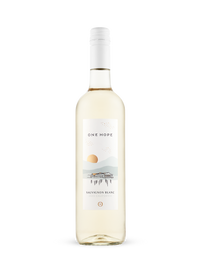
In the glass, two of our bottles show the range from crisp to creamy. The 2023 Vintner Sauvignon Blanc is light in body with lively acidity: lime and lemon lead, with guava and star fruit behind. The 2023 Vintner Chardonnay is richer, with green apple, bright citrus and vanilla on a creamy palate.
Can white wine be made from red grapes?
Yes. Because the juice of most red grapes is clear, a gentle, quick pressing gives pale juice. Ferment it apart from the skins and you have a white wine from red grapes. Winemakers call this style blanc de noirs, or "white from blacks." It is common in sparkling wine made from Pinot Noir.
Where do rosé and sparkling wine fit?
Rosé sits between the two colors. The juice stays on red grape skins for a few hours to about a day, then ferments much like a white. Our guide to what rosé wine is covers the methods.
Most sparkling wine starts as a still base wine, white or pink. A second fermentation then traps carbon dioxide as bubbles. Our sparkling wine guide explains how. Pink Shimmer Sparkling Rosé is a California sparkling wine, floral and effervescent, with pomegranate and pink lady apple. See how California sparkling rosé is made.
| Style | Time on the skins | Color | Tannin |
|---|---|---|---|
| Red | Days to weeks, through fermentation | Ruby to deep purple | Low to high |
| White | Little or none; pressed before fermentation | Pale straw to gold | Very little |
| Rosé | A few hours to about a day | Pale salmon to deep pink | Very little |
| Sparkling | Set by its white or rosé base wine | Pale gold or pink | Very little |
Sweet wines come in every color. Our dessert wine guide explains the methods.
Red wine vs white wine: how do they compare?
These are typical traits, not fixed rules. A rich Chardonnay can feel fuller than a light Pinot Noir. Our glossary of wine tasting terms explains body, tannin and acidity in plain words.
| Red wine | White wine | |
|---|---|---|
| Color | Ruby, garnet or purple | Pale straw to deep gold |
| Tannin | Low in Pinot Noir, firm in Cabernet Sauvignon | Very little |
| Body | Mostly medium to full | Mostly light to medium; oaked styles fuller |
| Typical flavors | Red and dark fruit, spice, earth; vanilla from oak | Citrus, green apple, stone and tropical fruit, flowers |
| What gives it structure | Tannin, with acidity | Acidity |
| Serving temperature | 55–65°F (13–18°C) | 45–55°F (7–13°C) |
| Food it suits | Red meat, mushrooms, tomato sauces, aged cheese | Fish, shellfish, chicken, salads, creamy sauces |
Color tells you nothing about sweetness. Both reds and whites can be fully dry or sweet; our dry vs sweet wine guide charts where common wines sit. To compare grapes within one color, see our guides to the types of red wine and the types of white wine.
Should you choose red or white wine with dinner?
Match the weight of the wine to the weight of the dish. A light dish wants a lighter wine, and a rich dish can carry a fuller one. Then look at the sauce, since it often sets the strongest flavor on the plate.
- Red with fat and protein. Tannin binds to fat and protein, so a firm red tastes rounder next to steak or lamb.
- White with acidity and delicacy. A crisp white meets lemon, herbs and shellfish, and does not swamp a delicate fish.
- Either with the in-between. Roast chicken, pork and salmon suit a fuller white or a lighter red such as Pinot Noir.
"Red with meat, white with fish" is a fair starting point, not a law. Our food and wine pairing chart goes dish by dish. ONEHOPE Wine gives back.
Frequently asked questions
Is red wine always aged in oak?
No. Many reds rest in oak barrels, which can add vanilla, spice and some tannin. Others age in stainless steel tanks to keep the fruit forward. Some whites, such as many Chardonnays, see oak too.
Why does red wine have tannin and white wine little?
Tannin comes mainly from grape skins and seeds. Red wine ferments with them for days or weeks. White juice leaves the skins before fermentation, so it takes in very little.
Should red wine be served at room temperature?
Slightly below it. The old rule meant a cool room, and most homes today run warmer. Lighter reds such as Pinot Noir taste fresh at 55 to 60°F, fuller reds at 60 to 65°F. A short spell in the fridge helps. Our wine serving temperature guide covers every style.
Is rosé a mix of red and white wine?
Rarely, for still rosé. Most rosé comes from red grapes whose juice touches the skins only briefly, which gives a light pink color. The wine then ferments much like a white.

