





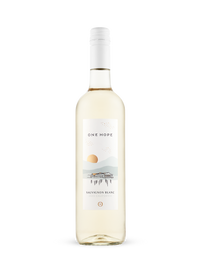
Sparkling wine is wine with bubbles of dissolved carbon dioxide. Most of it gets its fizz from a second fermentation, either in the bottle or in a sealed tank. The main types are Prosecco, Cava, Crémant, California sparkling wine and sparkling rosé, and they run from bone dry to sweet. ONEHOPE Wine's Vintner Sparkling Brut and Shimmer sparkling wines are California sparkling wine.
How do the bubbles get into sparkling wine?
Yeast makes the bubbles. As yeast turns grape sugar into alcohol, it also gives off carbon dioxide. In still wine, that gas escapes. Sparkling wine keeps it by fermenting under a seal, so the gas dissolves into the wine until you open the bottle.
Winemakers use three main ways to get it there:
- Traditional method. The winemaker adds a little sugar and yeast to a finished still wine and seals each bottle. A second fermentation then happens inside that bottle. The wine rests on the spent yeast, often for months or years, which brings notes of bread, brioche and toast. Finally the winemaker removes the yeast, adds a small top-up called the dosage, and corks the bottle.
- Tank method. Also called the Charmat method. The second fermentation happens in a large, pressurized steel tank, and the wine goes into bottles under pressure. Less time on the yeast keeps the fruit fresh and bright. Our guide to how California sparkling rosé is made walks through it.
- Carbonation. Some simple sparkling wines get carbon dioxide added directly, much like soda water. Their bubbles tend to be larger and fade sooner.
A fourth, older way bottles the wine before its first fermentation has finished. Winemakers often call these wines pét-nat, and they are usually lightly cloudy and rustic.
Every method traps gas under real pressure. That is why sparkling wine bottles have thick glass and a wire cage over the cork.
What are the main types of sparkling wine?
Sparkling wine comes from almost everywhere grapes grow. These are the styles you will see most often.
| Style | Where it comes from | Method | Usual grapes | What it tastes like |
|---|---|---|---|---|
| Prosecco | Northeast Italy | Usually tank | Glera | Light and fruity, with fresh pear and green apple |
| Cava | Spain | Traditional | Macabeo, Parellada, Xarel·lo | Crisp and dry, with citrus and a hint of toast |
| Crémant | France | Traditional | Regional grapes | Crisp, with fine bubbles; varies by region |
| California sparkling wine | California | Traditional or tank, by producer | Often Chardonnay and Pinot Noir | Ripe citrus, apple, pear and tropical fruit |
| Sparkling rosé | Many regions | Either | Red grapes such as Pinot Noir give the color | Red berries, citrus and florals |
| Sweet sparkling, such as Asti | Italy and beyond | Usually tank | Moscato | Peach, orange blossom and gentle sweetness |
The family runs wider still. Germany makes Sekt, and Italy's Lambrusco is a sparkling red. New to pink wine? Start with what rosé wine is.
Is sparkling wine dry or sweet?
It can be either. The term on the label tells you which: brut is dry, while demi-sec and doux are sweet. Wines named for the Moscato grape usually taste sweet too. Our guide to reading a sparkling wine label sets out the full scale.
What does sparkling wine taste like?
Most dry sparkling wines taste of citrus, green apple and pear. Wines that rest longer on their yeast add bread, brioche and toasted nut notes. Sparkling rosé brings red berries, and sweet styles lean toward peach and blossom.
Two things set sparkling wine apart at the table: bright acidity and bubbles. Both refresh your palate after a salty, fried or creamy bite, so sparkling wine suits a wide range of food.
How do you choose a bottle of sparkling wine?
Start with the moment and the food, then pick the style.
- A welcome toast with salty snacks. Reach for a dry brut. Vintner Sparkling Brut is a California sparkling wine with pineapple, green apple and a creamy finish. Pour it with potato chips, melon salad or a prosciutto panini. Planning the toast? Count the glasses in a bottle of sparkling wine.
- A bottle that looks like a gift. Our Shimmer collection comes in glitter bottles. Gold Shimmer Sparkling Brut and Silver Shimmer Sparkling Brut are crisp California sparkling wines with green apple, pear and tropical aromas. Pink Shimmer Sparkling Rosé is floral and effervescent, with pomegranate and pink lady apple.
- A gift with a message. The Classic Etched Shimmer Wine Gift is a gold Shimmer bottle etched with a message such as Cheers to You, in a white gift box. Recipients must be 21 or over, and an adult signature is required at delivery. Read more on how to send wine as a gift.
- Something sweet for dessert. Sparkling Moscato pairs white peach and mandarin with a delicate sweetness. Sparkling Almond tastes of toasted almond and finishes delicately sweet.
Browse the full range in our sparkling wine collection. ONEHOPE wine gives back.
How should you serve sparkling wine?
Serve it well chilled, open it slowly and pour it into a flute or tulip-shaped glass. Our sparkling wine label guide covers chilling, opening and glasses, and our tower guide shows how to build a sparkling wine tower. See how long sparkling wine keeps once open.
What should you eat with sparkling wine?
Lean on acidity and bubbles. They cut through salt, oil and cream.
- Salty and fried food. Potato chips, popcorn, fried chicken and fish and chips all suit a dry brut.
- Creamy cheeses. Brie, Camembert and ricotta suit dry sparkling wine. See our wine and cheese pairing guide for the full board.
- Shellfish and white fish. Gold Shimmer and Silver Shimmer Sparkling Brut suit tropical fruit and cheese kebabs or halibut with cilantro aioli. Oysters and scallops suit any crisp, dry brut. More in our guide to sparkling wine with shellfish and salmon.
- Brunch and bright salads. Try Pink Shimmer Sparkling Rosé with a frittata, a citrus salad or grilled octopus. For a brunch drink with orange juice, see how to make a mimosa.
- Spicy dishes. A little sweetness softens chili heat. Try Sparkling Moscato with hot wings and a blue cheese dip.
- Desserts. Choose a wine at least as sweet as the dessert. Sparkling Moscato suits peach cobbler, and Sparkling Almond suits cheesecake or a toasted coconut dessert. For chocolate, see our wine and chocolate pairing guide.
Set out water and a non-alcoholic option for guests who aren't drinking.
Frequently asked questions
Is Prosecco a sparkling wine?
Yes. Prosecco is a sparkling wine from northeast Italy, and its main grape is Glera. Most Prosecco gets its bubbles in a pressurized tank, which keeps its pear and green apple notes fresh.
What is the difference between Prosecco and Cava?
Place, grapes and method. Prosecco comes from Italy, mainly from Glera, and usually gets its bubbles in a tank. Cava comes from Spain, from grapes such as Macabeo, Parellada and Xarel·lo, and gets its bubbles in the bottle. Cava tends to taste drier and toastier; Prosecco tastes fruitier and more floral.
What is the traditional method?
It is a way of making sparkling wine in which the second fermentation happens inside each bottle. The wine then rests on its yeast, which adds bread and brioche notes, before the winemaker removes the yeast and corks it. Cava and Crémant use this method.
Can any grape be made into sparkling wine?
Yes. The bubbles come from winemaking, not from the grape, so any grape can sparkle. Chardonnay and Pinot Noir are the classic pair. You will also find sparkling Glera, Moscato, Riesling and Chenin Blanc, and reds such as Lambrusco and sparkling Shiraz.
What food goes with sparkling wine?
Salty, fried and creamy food, such as potato chips, brie or scallops with a dry brut. Sweet styles suit spicy dishes and fruit desserts.
What sparkling wines does ONEHOPE offer?
ONEHOPE Wine's California sparkling wines include Vintner Sparkling Brut and the Shimmer collection: Gold Shimmer and Silver Shimmer Sparkling Brut and Pink Shimmer Sparkling Rosé. For sweeter bubbles, there are Sparkling Moscato and Sparkling Almond. See them all in our sparkling wine collection.

