





Good winery etiquette in Napa comes down to a few habits: book ahead, bring ID, arrive on time, ask questions and plan a driver. Tipping at a tasting is optional and policies vary, though some guests tip a host who made the visit special.
Most Napa tasting rooms ask you to reserve ahead, and tastings are for guests 21 and over. At a tasting, a host pours a series of small samples of the winery's wines, answers questions and talks with you about them. This guide covers what to book, what happens when you arrive and how to pace the day. If the valley's layout is new to you, start with where Napa Valley is.
At a glance
- Reservations: most tasting rooms ask you to reserve ahead; some take walk-ins when there is room.
- Age: tastings are for guests 21 and over. Bring ID.
- Length: seated tastings often last about an hour or a little longer.
- Pacing: a few visits in a day, with time for lunch and the road between.
- Getting around: plan a driver or a car service; never drive after tasting.
- Tipping: optional, and policies vary.
Do you need a reservation for wine tasting in Napa?
Usually, yes. Most tasting rooms ask you to reserve ahead. Some still take walk-ins when there is room, but a booking is the surer plan for a first visit.
Timing matters too. Weekdays are usually calmer than weekends, and harvest season is one of the busiest times to visit. Our guide to when to visit Napa Valley walks through the seasons.
When you book, check hours and last seating times. In California you must be 21 or older to taste. Tasting rooms may ask for ID, so bring it for everyone in your party.
What happens at a Napa wine tasting?
A host pours a series of small samples of the winery's wines, answers questions and talks with you about them. A tasting may be at a bar counter or seated. Seated tastings often last about an hour or a little longer, so leave room in your plan.
Asking questions is welcome. Tell the host which wines you enjoy, and the conversation can follow your taste. You don't need to know wine words before you go. If a term catches your ear, our wine glossary explains the common ones.
You also don't need to finish every sample. Spitting out wine is accepted practice at a winery, and pouring out what you don't want is fine. A spit bucket or cup is usually on hand; ask for a spit cup if you don't see one.
Want to practice the look, swirl, smell and sip routine first? Our guide to hosting a wine tasting at home walks through each step. For the grip, see how to hold a wine glass. New to wine altogether? Wine for beginners explains which styles are easiest to start with.
How many wineries can you visit in a day?
Plan a few visits in a day, with time for lunch and the road between. A seated tasting can run about an hour or a little longer, and travel time from one stop to the next adds up.
Traffic on the up-valley stretch of Highway 29 can be heavy, especially in spring and summer. Up valley means north, toward St. Helena and Calistoga. Book each visit with a gap for the road, rather than back to back.
Grouping stops that sit close together saves time. Yountville's town center has several tasting rooms within a walk of each other. Some other town centers, such as downtown Napa, also have several tasting rooms close together.
How do you get between tastings?
Plan a driver or a car service, and never drive after tasting. Driving under the influence is illegal in California. A guided tour is another way to visit tasting rooms without driving.
Arrange your ride back before you go, not at the end of the last tasting.
If you leave with an opened bottle, mind where it rides. In California it is illegal to have an open container of alcohol in the passenger area of a car. Opened bottles belong in the trunk.
Our guide to getting to Napa Valley covers the airports, the roads and the other ways into the valley.
What is tasting-room etiquette?
Tasting-room manners are simple, and most of them are about the people around you.
- Arrive on time. For a booked tasting, it is basic courtesy to the winery and to the other guests.
- Check the details when you book. Ask about hours and last seating times.
- Go light on perfume or cologne. It's considerate to the guests tasting nearby.
- Ask questions. The host is there to answer them and talk with you about the wines.
- Say what you like. It helps the host steer the conversation toward your taste.
- Leave what you don't want. You don't need to finish every sample.
- Buy only what you want. Take home the bottles you enjoyed.
Do you tip at a wine tasting?
Tipping at Napa tasting rooms is optional, and policies vary from one tasting room to the next. Some guests tip a host who made the visit special. If you're unsure, ask the tasting room.
What should you wear to a Napa tasting?
Most visitors dress in a smart-casual style often called wine country casual. Wear comfortable shoes for dirt and uneven ground, and bring a light layer, because caves and cellars stay cool year-round. Our guide to what to wear wine tasting in Napa has the details.
Before, during and after: a first-visit checklist
| Step | When | What to do |
|---|---|---|
| 1 | Before | Book ahead, and check hours and last seating times when you book. |
| 2 | Before | Plan a driver or a car service, and arrange your ride back. |
| 3 | Before | Pack ID for everyone in your party; tastings are for guests 21 and over. |
| 4 | During | Arrive on time, and go light on perfume or cologne. |
| 5 | During | Taste, ask questions and tell the host which wines you enjoy. |
| 6 | During | Spit whenever you like, and buy only what you want. |
| 7 | After | Put any opened bottles in the trunk. |
| 8 | After | Plan the next visit by time and travel, with room for lunch. |
A first tasting in Rutherford
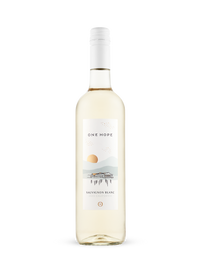
Rutherford sits in the center of the valley floor, about 13 miles north of downtown Napa by Highway 29. Our guide to Rutherford in Napa Valley explains the place and its appellation. For a first tasting-room visit in the middle of the valley, ONEHOPE Wine's winery and tasting room, ONEHOPE Winery, is in Rutherford, Napa Valley. Visits are by reservation, and guests must be 21 or older. Book a visit.
Questions people ask
Can you walk in to Napa wineries without a reservation?
Sometimes. Some tasting rooms still take walk-ins when there is room, but most ask you to reserve ahead. Booking is the surer plan, especially on weekends and in harvest season.
Do I need ID for wine tasting?
Yes, bring it. Tastings are for guests 21 and over, and tasting rooms may ask for ID. In California the minimum age both to buy and to drink alcohol is 21.
Do you tip at wineries in Napa?
Tipping is optional, and policies vary between tasting rooms. Some guests tip a host who made the visit special. If you're unsure, ask the tasting room.
How many wineries can you visit in a day?
A few, with time for lunch and the road between. Seated tastings often last about an hour or a little longer, and travel adds up. Plan a driver or a car service, and never drive after tasting.
Is it rude to spit at a wine tasting?
No. Spitting out wine is accepted practice at a winery, and pouring out what you don't want is fine. A spit bucket or cup is usually on hand, and you can ask for one if you don't see it.

