





What wine should you cook with? Cook with a dry wine you would happily drink. For white, choose a crisp, unoaked Pinot Grigio or Sauvignon Blanc. For red, choose a fruity wine with soft tannin, such as Pinot Noir. Add it early and let it simmer, and keep sweet wines and salted cooking wine out of savory food.
Why cook with a wine you would drink?
Heat concentrates whatever is in the bottle. As wine simmers down, its acidity, fruit and any sweetness or bitterness all grow stronger. A thin, sour wine tastes thinner and sourer in the pan. Save your most treasured bottles for the glass, but never cook with one you would pour away.
What is the best white wine for cooking?
A dry, crisp, unoaked white is the most useful bottle in the kitchen. Its acidity brightens a sauce the way a squeeze of lemon does, and its flavor stays in the background.
- Pinot Grigio is the most neutral choice. It suits fish, shellfish, chicken and risotto without pulling the dish toward one flavor. The 2023 Vintner Pinot Grigio is light-bodied with high acidity, ripe stone fruit and a citrus zest finish. More in our Pinot Grigio guide.
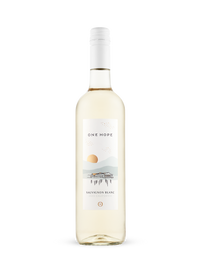
- Sauvignon Blanc has sharp, lively acidity and often a green, herbal edge. Use it for mussels, lemony chicken and sauces full of fresh herbs. The 2023 Vintner Sauvignon Blanc leads with lime and lemon, with guava and star fruit behind them. More in our Sauvignon Blanc guide.
- Chardonnay is rounder. A creamy style suits cream sauces, roast chicken and squash, where its body matches the richness. The 2023 Vintner Chardonnay brings green apple, bright citrus and vanilla on a rich, creamy palate.
Chardonnay is the wine that deglazes the pan in our Dijon chicken with Chardonnay recipe.
What is the best red wine for cooking?
Choose a red with plenty of fruit and soft or moderate tannin. Tannins are the drying grip that comes from grape skins, seeds, stems and oak. When a red reduces, tannin and oak concentrate and can taste bitter or chalky.
- Pinot Noir is light to medium-bodied with soft tannin. It suits mushroom sauces, chicken braised in red wine and poached pears. The 2021 Hospitality Pinot Noir is medium-bodied, with ripe strawberry, Bing cherry and a touch of cinnamon.
- A fruity red blend suits long, slow dishes such as beef stew, short ribs and meat sauce. Stock, vegetables and hours of gentle heat soften a fuller wine. The 2022 Vintner Red Blend carries cherry, raspberry, cocoa and vanilla. For what to pour with the finished dish, see our guide to wine with beef stew and chili.
When should you add wine when cooking?
Add wine early, then give it time. Simmering softens the raw, sharp taste of wine and blends its flavor into the dish. Wine splashed in at the last minute tends to taste harsh.
| Dish | Wine style | When to add it | Why it works |
|---|---|---|---|
| Pan sauce for chicken, pork or steak | Dry white or fruity red | Into the hot pan right after searing; scrape up the browned bits and reduce by about half | The wine lifts the browned bits, and reducing it concentrates the flavor |
| Cream sauce | Dry white or a rounder Chardonnay | Reduce the wine first, then add the cream | The sauce gets the wine's flavor without tasting thin or sharp |
| Risotto | Dry white | After toasting the rice, before the first ladle of stock; stir until absorbed | Acidity balances the rich rice, butter and cheese |
| Steamed mussels or clams | Crisp white such as Sauvignon Blanc | After softening garlic or shallot; cover and steam until the shells open | The wine becomes the broth, so its citrus seasons the shellfish |
| Beef stew or short ribs | Fruity, fuller red | After browning the meat and vegetables; simmer briefly, then add stock and braise low and slow | Long cooking turns the wine into a deep, savory sauce |
| Tomato sauce or ragù | Dry red, or dry white for a lighter sauce | After the onions and garlic soften, before the tomatoes | It adds fruit and depth, and simmering takes off the raw edge |
| Poached pears | Fruity red such as Pinot Noir | From the start: simmer the pears gently in wine with orange peel and warm spices, sweetened to taste | The fruit takes on the wine's color and berry flavor |
For a warm spiced drink made with red wine, see our mulled wine recipe.
Which wines should you not cook with?
- Sweet wine in savory dishes. Reducing concentrates sweetness, so a sweet wine can make a pan sauce cloying. Keep sweet styles for poached fruit and desserts. Our guide to dry vs. sweet wine shows which styles are which.
- Heavily oaked or very tannic wine. Oak and tannin grow stronger as the wine reduces and can turn bitter.
- Wine that has turned. If it smells of vinegar or nail polish, the dish will taste that way too.
- Salted cooking wine. The cooking wine sold on grocery shelves usually has salt added, so it is not meant for drinking. That salt concentrates in the pan and makes seasoning harder to judge. A dry wine you would drink gives a cleaner flavor.
Can you cook with leftover wine?
Yes. A bottle a day or two past its best for drinking still works in a pan sauce, stew or braise. Recork it and keep it in the fridge. Our guide to how long wine lasts after opening covers each style. Smell it before you pour. A sharp, vinegar-like smell means it has gone too far. To save the last glass for later, freeze it in an ice-cube tray and add a cube or two to a sauce.
What can you use instead of wine in a recipe?
- Instead of white wine: chicken or vegetable stock with a small splash of white wine vinegar or lemon juice, for the acidity.
- Instead of red wine: beef or vegetable stock with a small splash of red wine vinegar.
- In sweet dishes such as poached fruit: unsweetened grape juice, red or white, with a squeeze of lemon.
Add vinegar a little at a time and taste as you go. It is much sharper than wine.
Should you pour the same wine you cook with?
Yes, when the wine suits the dish: it is the easiest way to make a dish and its glass agree. A chicken in Sauvignon Blanc sauce meets the same lime and lemon in the glass. Our Pinot Grigio carbonara shows a crisp white beside a creamy pasta. For more matches, see our food and wine pairing chart and our guide to wine with pasta and pizza. ONEHOPE Wine gives back.
Frequently asked questions
What is the best white wine for cooking?
A dry, crisp, unoaked white such as Pinot Grigio or Sauvignon Blanc. Its acidity brightens sauces without adding sweetness. A creamy Chardonnay suits cream sauces, but avoid heavily oaked styles.
What is the best red wine for cooking?
A fruity red with soft or moderate tannin, such as Pinot Noir for sauces and a fruity red blend for long braises. Very tannic or oaky reds can turn bitter when reduced.
Can I cook with leftover wine?
Yes, if it still smells like wine. Recork it and keep it in the fridge, then use it within a few days.
What can I use instead of white wine in a recipe?
Chicken or vegetable stock with a small splash of white wine vinegar or lemon juice. Add the acid a little at a time and taste.
When should wine go into a sauce?
Early. Add it after searing or softening the aromatics, then simmer and reduce it before adding stock, cream or butter.
Can I cook with sparkling wine?
Yes. A dry sparkling wine cooks like a crisp white: the bubbles fade with heat and the acidity stays. Use it in risotto, a butter sauce for fish or steamed mussels. Flat leftovers work too. Our sparkling wine guide explains the dry styles.

