





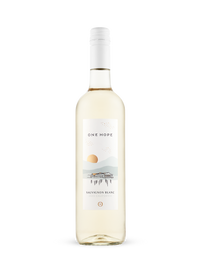
What is frosé? Frosé is frozen rosé: rosé wine frozen in a shallow pan, then blended with frozen strawberries and a squeeze of lemon until thick and smooth. You need only a bottle of rosé, frozen strawberries and a lemon. Choose a dry rosé with plenty of red fruit, such as our 2025 Herstory Rosé, because cold mutes flavor.
Some people call it a wine slushie. It suits warm summer afternoons, and frozen fruit makes it easy all year.
What do you need to make frosé?
These amounts are for one 750 ml bottle. To make more, scale everything by the bottle.
- 1 bottle (750 ml) dry rosé
- 2 cups frozen strawberries
- 2 tablespoons fresh lemon juice, about half a lemon
- To serve: fresh strawberries or mint leaves
You also need a shallow metal or glass pan, a fork or spatula, and a blender.
How do you make frosé, step by step?
The freeze-ahead method gives the thickest, most wine-forward frosé.
- Pour it into a pan. Pour the rosé into a shallow pan, such as a 9 by 13 inch baking dish. Never freeze the wine in its bottle.
- Freeze it. Leave the pan in the freezer for at least six hours, or overnight. The wine sets firm and icy, but not solid.
- Scrape it. Rake the frozen wine with a fork or spatula into rough flakes.
- Blend. Add the flakes, frozen strawberries and lemon juice to the blender. Blend until thick and smooth. If the blender stalls, add a splash of cold rosé.
- Pour. Spoon it into chilled glasses and serve straight away.
Why does it stay scoopable? Alcohol freezes at a much lower temperature than water. In a home freezer, wine turns icy but stays soft enough to scrape and blend.
Short on time? A thinner layer freezes faster, so use a wider pan or an ice cube tray.
Can you make frosé without freezing the wine first?
Yes. Frozen fruit can stand in for ice. Chill the rosé well in the fridge, then blend it with about 4 cups of frozen strawberries and the lemon juice.
The texture changes. Blender-only frosé is softer, closer to a smoothie, and it melts faster in the glass. The fruit also leads, so it tastes more of strawberry than of wine. Add more frozen fruit for a thicker drink.
Skip ice cubes. They water the wine down and dull its flavor.
What rosé is best for frosé?
Pick a dry rosé with plenty of red fruit and lively acidity. Freezing mutes aroma and flavor, so a delicate, subtle rosé can taste of little more than ice once blended.
Dry matters too. Strawberries bring their own sweetness, and a dry wine keeps the finished drink fresh rather than heavy. Acidity does the same job as the lemon, keeping the fruit bright.
Our 2025 Herstory Rosé is a dry rosé with notes of spicy cherry, strawberry, rose petal and crushed raspberry. Its strawberry note meets the fruit in the blender, and lively acidity keeps the finish fresh.
Not sure whether a bottle is dry? Color will not tell you. Our guide to what rosé wine is explains how to read sweetness, and you can browse our rosé wines. ONEHOPE wine gives back.
What fruit can you use in frosé?
Any fruit you can freeze works. Keep the bottle of rosé and the citrus, and swap the strawberries:
| Version | Fruit to freeze | Citrus | Tip |
|---|---|---|---|
| Watermelon | About 4 cups diced seedless watermelon | Lime | Freeze the cubes in a single layer overnight; its flavor is delicate, so use plenty |
| Peach | 2 cups frozen peach slices | Lemon | A few raspberries deepen the color |
| Mixed berry | 2 cups strawberries, raspberries and blueberries | Lemon | Raspberry seeds stay in, so strain it if you like it silky |
| Strawberry and mint | 2 cups frozen strawberries and 5 mint leaves | Lemon | Blend the mint in and garnish with a fresh leaf |
Can you make frozen wine with red or white wine?
Yes. For a frozen red, blend a fruity red with soft tannin and frozen dark berries such as blackberries and cherries. Cold makes tannin feel firmer, so skip big, firm reds. For a frozen white, a crisp, citrusy white suits frozen peach or mango. Use the same pan method, and blend with lemon or lime.
How do you serve and store frosé?
- Chill the glasses. Ten minutes in the freezer keeps the frosé from melting at the rim.
- Garnish simply. A strawberry on the rim or a mint leaf is enough.
- Add bubbles last. For a little fizz, top each glass with a splash of sparkling rosé just before serving.
- Store leftovers sealed. Spoon them into a lidded container and freeze. Frosé keeps for about a week. It sets firmer as it sits, so let it soften for a few minutes and blend again.
For the topper, try our Pink Shimmer Sparkling Rosé, a California sparkling wine that is floral and effervescent, with pomegranate and pink lady apple. Keep it in the fridge, not the freezer. Sparkling wine loses its bubbles when frozen and blended, so it belongs on top only. Read how California sparkling rosé is made.
Half a bottle left over? Pour it into a pan and freeze it for frosé later. Our guide to how long wine lasts after opening covers the rest.
Prefer a cold wine and fruit drink that stays liquid? Our sangria recipes soak fruit in chilled wine. For pouring rosé on its own, see our wine serving temperature guide. For a long, bubbly drink, try our wine spritzer.
Frequently asked questions
Do you have to freeze the wine first to make frosé?
No. Freezing the rosé first gives a thicker, more wine-forward frosé. For a quicker version, blend well-chilled rosé with about 4 cups of frozen fruit. It is softer and melts faster.
Can you freeze wine in the bottle?
No. Wine expands as it freezes, which can crack the glass or push out the cork. Pour it into a shallow pan or an ice cube tray instead.
How long does frosé keep in the freezer?
About a week in a sealed container. It firms up as it sits, so let it soften for a few minutes, then blend it again before serving.
How do you make frosé fruitier?
Use riper fruit and more of it. Ripe strawberries, peaches, mango and watermelon all add natural sweetness. Taste before you pour, and blend in another handful of frozen fruit if you want more.

